By Some Estimates, Monarchs Have Seen A 90 Percent Decline In Past 20 Years
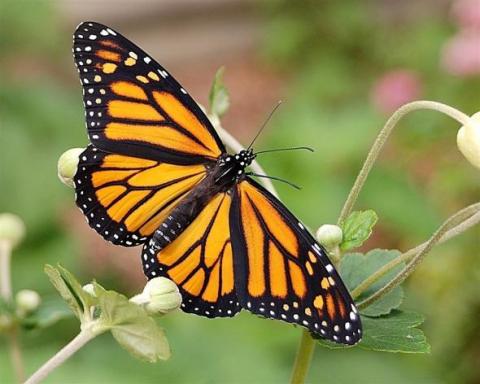
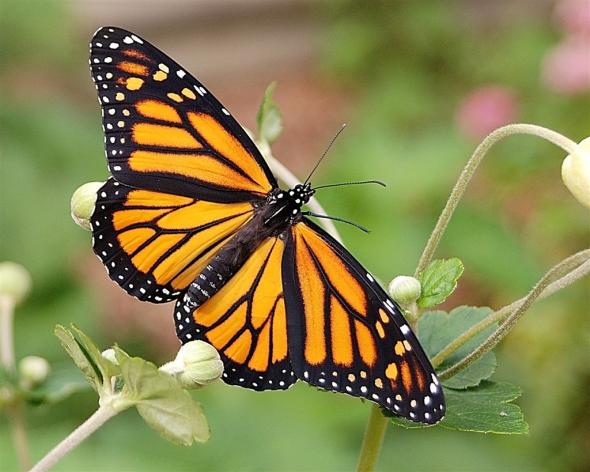
Wildlife conservationists are calling for a more collaborative effort to help restore the dwindling number of monarch butterflies. At one point, monarch butterflies migrated by the billions from Mexico in the south throughout the United States into Canada. Now, those numbers have dwindled into the millions due to habitat loss. "Over the past 15 to 20 years, we've seen the population of monarchs making the annual migration dropped from over a billion monarchs to 50 or 60 million in the last couple years," said Collin O’Mara, president and CEO of the National Wildlife Federation. Like bees, monarchs and other butterflies are important pollinators. O'Mara said a continued decline at this clip could disrupt the entire way that we source food in this country.
One of the most significant factors that led to the plummeting population numbers is the estimated loss of 165 million acres of milkweed habitat across the central flyway corridor. Housing developments and expanding agricultural operations have plowed away those natural grasses. "Also, sadly we've become very good as a society at eradicating any kind of plant that we don't absolutely want it in exactly where we want it," O'Mara said.
The National Wildlife Federation has launched a multifaceted effort to help restore milkweed along the central corridor stretching from Texas to Wisconsin. At the federal level, O'Mara said the U.S. Fish and Wildlife Service has devoted resources to creating more monarch habitat.
At the local level, more than 150 mayors from across the U.S. have signed the federation's pledge to help the butterfly, including several in Wisconsin. O'Mara said homeowners are also lending a hand by signing up to be a "butterfly hero" on his organization's website and receiving a packet of milkweed, a how-to kit and an outdoor activity guide for children. "It's federal, it's state, it's local and its individual. And to do this well it's going to take all these entities working together all the way from Texas all the way through to Wisconsin.If we can plant a significant amount of habitat there we should be able to at least quadruple if not improve the monarch populations even more in the next couple years," said O'Mara.