Lawsuit Argued GOP-Backed Laws Violated Separation Of Powers Guarantee
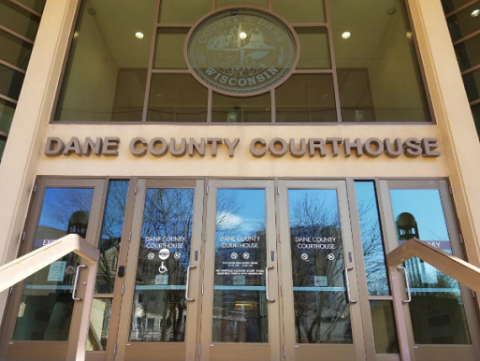
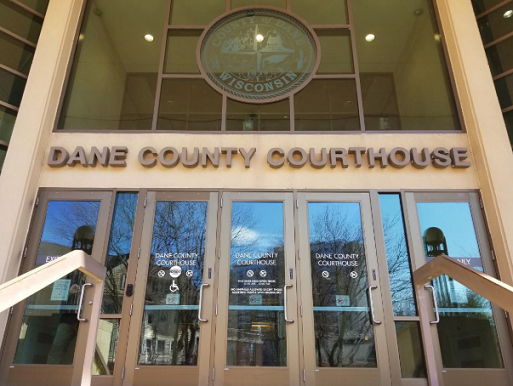
(WPR)---A Dane County judge has ruled in favor of plaintiffs and against GOP lawmakers’ lame-duck legislative session for the second time in two weeks.
Judge Frank Remington issued his ruling Tuesday afternoon in a lawsuit brought by a coalition of union groups against the laws passed during December’s lame-duck session.
The lawsuit, which was heard in court on Monday, argued lawmakers violated the state constitution’s separation of powers guarantee by unfairly limiting the authority of the executive branch. Remington agreed on several counts, blocking some — but not all — of the laws passed during the lame-duck session.
"Wisconsin’s constitution is like a keel on a great ship. It defines the structure of state government," Remington wrote in his decision. "In December, 2018 the Legislature and then Gov. Scott Walker upended the balance that this state has had for most all of its 171 years. The time has come to right this ship-of-state so Wisconsin can resume smooth sailing ahead."
The ruling comes less than a week after another Dane County judge ruled the lame-duck session was unconstitutional on procedural grounds.
That decision led Gov. Tony Evers to act quickly on a few powers that were returned to him. He ordered the state attorney general to withdraw Wisconsin from a multi-state lawsuit challenging the Affordable Care Act and rescinded 82 appointments made by former Gov. Scott Walker shortly before he left office.
That ruling has been appealed.
Plaintiffs in the unions' case lauded Tuesday's ruling as a victory for Wisconsin voters.
"This is a victory for democracy for the working people of Wisconsin," said Ramon Argandona, President of SEIU Healthcare Wisconsin, in a prepared statement. "We filed this complaint to ensure that union members and working people who elected Gov. Tony Evers into office have their voices heard and have a fair shot at a decent future. We can’t move forward in Wisconsin when power grabs like this block progress."
Evers was also quick to call the decision a "victory for the people."
"It is now abundantly clear that the lame-duck session was nothing more than an illegal power grab intended to override the will of the people," the governor said in a prepared statement.
Republican legislative leaders weighed in shortly after Remington's ruling as well, confirming they will file an appeal.
"It’s encouraging to see the court ruling in our favor on elements of this case," said Assembly Speaker Robin Vos, R-Rochester, and Senate Majority Leader Scott Fitzgerald, R-Juneau. "However, all of the Legislature’s actions are consistent with the separation of powers that the Wisconsin Supreme Court has upheld for decades."
The lame-duck session placed a number of limits on the authority of Evers and Attorney General Josh Kaul. Laws approved by the Republican-controlled Legislature rolled back Evers’ ability to authorize the state’s withdrawal from federal lawsuits, including the multi-state lawsuit challenging the ACA. Evers campaigned on removing Wisconsin from that lawsuit.
The changes also limited Evers' ability to change state laws put in place under Walker that require able-bodied, childless adults to work or pass drug tests in order to receive public benefits like food stamps and Medicaid.
In his decision, Remington upheld lawmakers' ability to block Evers from changing those state laws, but threw out their authority to block his action regarding withdrawal from federal lawsuits.
There are four lawsuits challenging the lame-duck session — two in state court and two in federal court.
A federal district judge ruled on one of the federal lawsuits in January, striking down restrictions on early voting that were also included in the lame-duck agenda. That case is pending appeal.
The second federal suit, filed by the Democratic Party of Wisconsin, argues the lame-duck laws violate the U.S. Constitution's Guarantee Clause. That clause guarantees every state the right to a republican form of government. Arguments have yet to be heard in that case.
Wisconsin Public Radio, © Copyright 2019, Board of Regents of the University of Wisconsin System and Wisconsin Educational Communications Board.